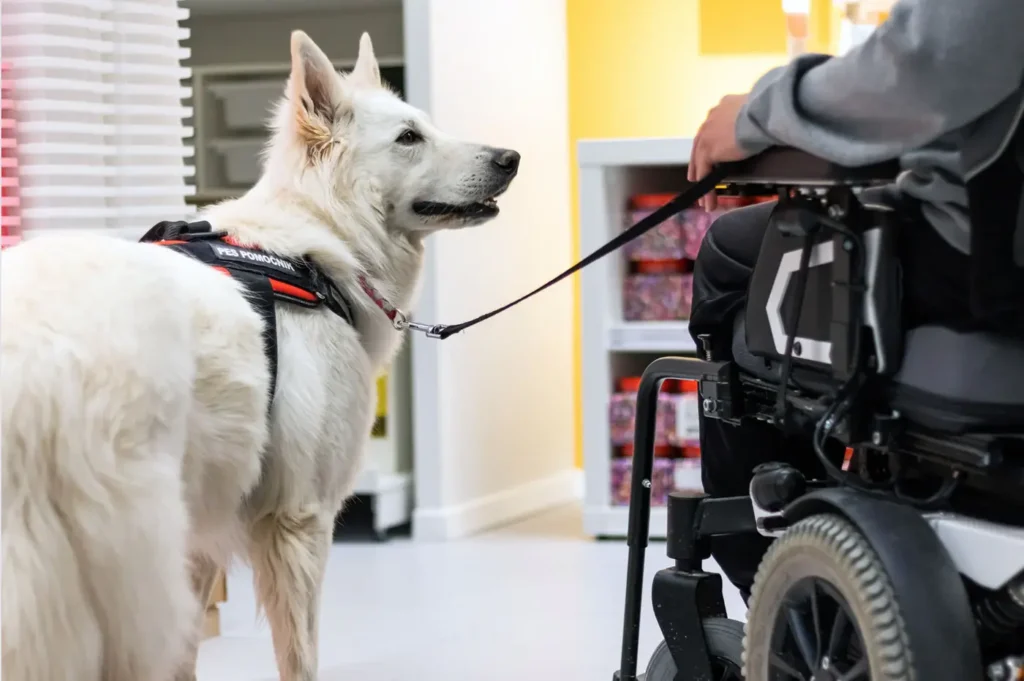
Service dogs are more than loyal companions — they are highly trained animals who provide independence, confidence, and support to people with disabilities. From guiding individuals who are visually impaired to alerting someone of an oncoming medical emergency, service dogs play an essential role in improving quality of life.
What Is a Service Dog?
A service dog is specifically trained to perform tasks that assist a person with a disability. Unlike emotional support animals or therapy dogs, service dogs are recognized under the Americans with Disabilities Act (ADA) as working animals. Their training is focused on the unique needs of their handler, ensuring they can perform practical tasks that make daily life safer and more manageable.
Types of Service Dogs and Their Roles
Service dogs can be trained to support a wide range of disabilities and conditions. Some of the most common include:
-
Guide Dogs – Assist individuals who are blind or visually impaired in navigating their environment safely.
-
Hearing Dogs – Alert deaf or hard-of-hearing individuals to important sounds like alarms, doorbells, or a baby crying.
-
Mobility Assistance Dogs – Help with physical tasks such as opening doors, retrieving items, or providing balance and stability.
-
Medical Alert Dogs – Detect changes in blood sugar levels, seizures, or other medical emergencies before they occur.
-
Psychiatric Service Dogs – Support people with mental health conditions such as PTSD, anxiety, or severe depression by interrupting harmful behaviors or providing grounding during distress.
Training and Dedication
Training a service dog is an intensive process that can take up to two years. Professional trainers work with the dogs to ensure they can consistently perform tasks and behave reliably in public settings. This dedication ensures the dog is not just a pet but a dependable partner in daily life.
The Impact of Service Dogs on People’s Lives
The presence of a service dog often goes beyond physical support. They bring emotional stability, reduce anxiety, and empower individuals to live more independently. Many handlers describe their service dog as a “lifeline” — someone who provides safety, comfort, and dignity every day.
How to Support Service Dog Programs
Organizations and shelters that support the training and placement of service dogs rely heavily on donations, volunteers, and community awareness. By supporting these programs, you are helping to give individuals with disabilities the opportunity to live fuller, more independent lives.